
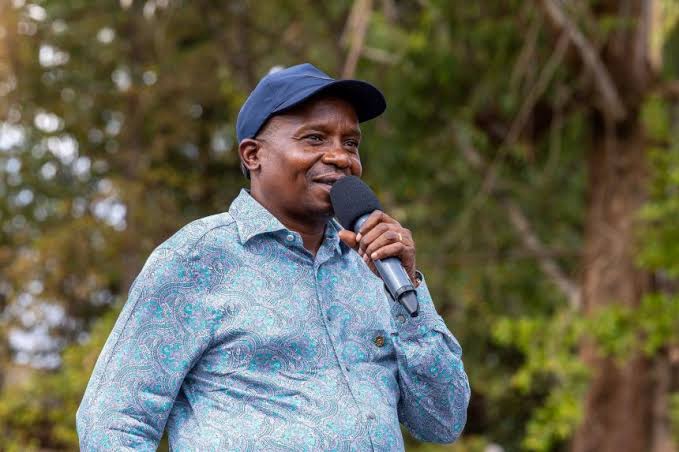
Questions have emerged over the role of Deputy President Kithure Kindiki following his absence from the centre of government response during the recent fuel crisis that disrupted transport and business across Kenya.
The situation unfolded as President William Ruto travelled to Azerbaijan and Kazakhstan, leaving the country facing a growing shortage of fuel.
With the Head of State away, attention turned to the Deputy President to steer coordination efforts as pressure mounted in Nairobi.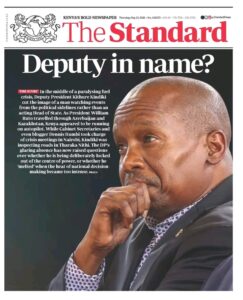
However, during the peak of the crisis, key meetings and response measures were handled by Cabinet Secretaries and other figures within government circles, including digital strategist Dennis Itumbi.
Kindiki was in Tharaka Nithi County inspecting development projects, a move that has since drawn scrutiny.
His absence from high-level crisis management has triggered debate within political circles, with critics questioning whether he is actively involved in core decision-making or being kept away from it.
Others have interpreted the situation as a missed opportunity for the Deputy President to demonstrate leadership at a critical moment.
Traditionally, the Deputy President is expected to take a more visible role in coordinating government business when the President is out of the country, especially during national challenges.
In this case, however, there was no clear indication of centralised leadership from the office of the Deputy President as the crisis unfolded.
The developments have also raised concerns about how responsibilities are shared within the executive, and whether key functions are being handled outside formal structures.
The events have placed renewed focus on the visibility and influence of the Deputy President’s office, with political observers continuing to question how authority is exercised within the current administration.