

Nairobi Governor Johnson Sakaja has come under renewed scrutiny following claims that a building which collapsed in South C had exceeded its approved height, raising fresh concerns about oversight failures within Nairobi City County.
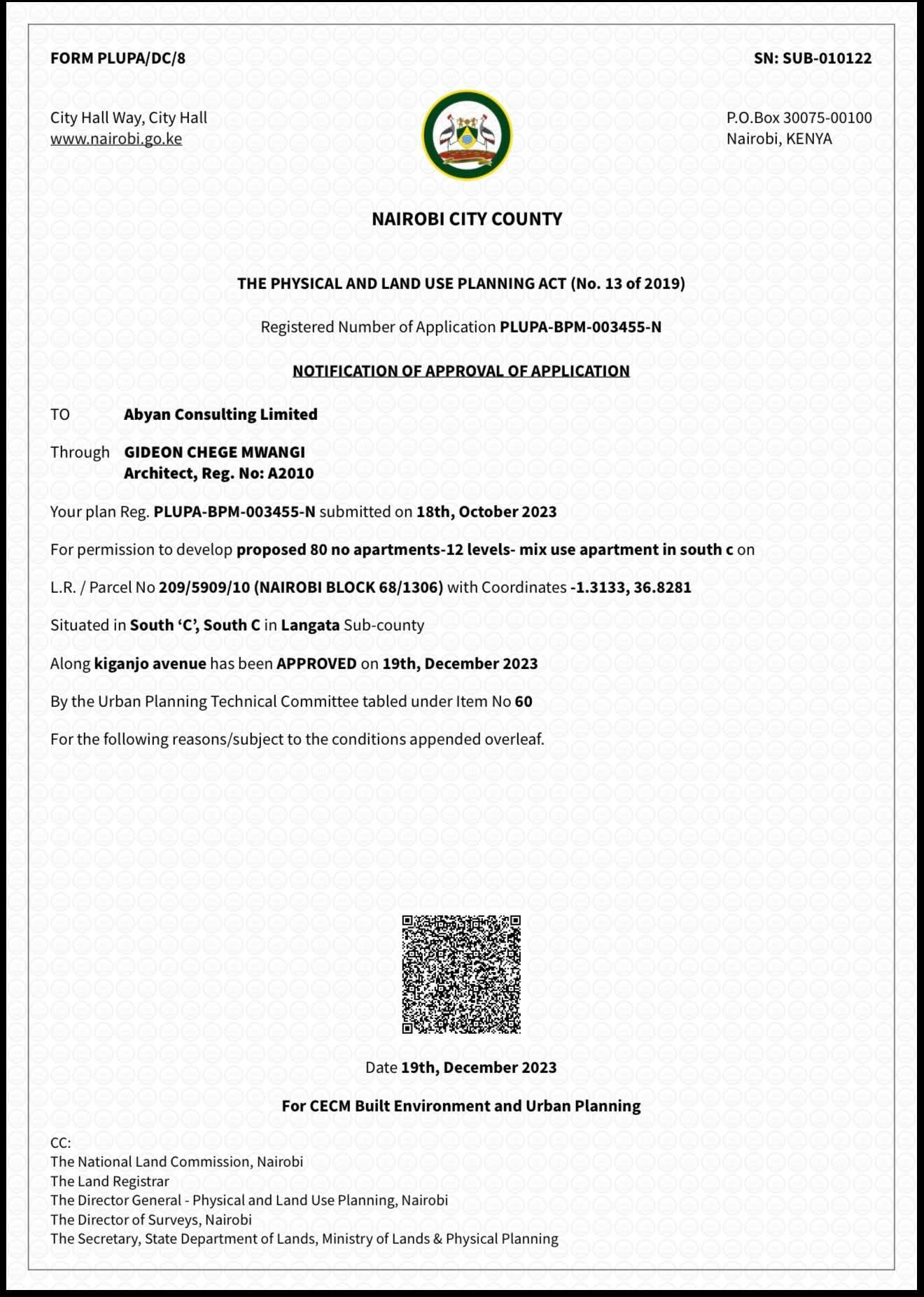
The controversy centres on a development erected on LR No. 209/5909/10, also known as Nairobi Block 68/1306, where a 16-storey structure collapsed, sparking public outrage and safety concerns.
Kileleshwa MCA Robert Alai alleged that the building had initially been approved to rise only 12 floors, yet construction continued well beyond the authorised limit.
Screenshot
County approval documents indicate that the project, approved under reference PLUPA-BPM-003455-N, was sanctioned on December 19, 2023, for the development of 80 apartments across 12 levels along Kigangjo Avenue in South C, Lang’ata Sub-county.
The approval followed deliberations by the Urban Planning Technical Committee, as required under the Physical and Land Use Planning Act.
Approval limits ignored
According to Alai, the additional floors were unlawfully authorised, allowing the building to rise to the 16th floor before its eventual collapse. He alleged that senior county officials, including Frederick Ochanda and Patrick Analo, facilitated the approval of extra floors in exchange for a bribe of Ksh25M.
Screenshot
The MCA further claimed that the approvals were granted without public participation, a mandatory requirement for developments of that scale. He argued that the failure to follow due process directly contributed to unsafe construction practices that may have led to the collapse.
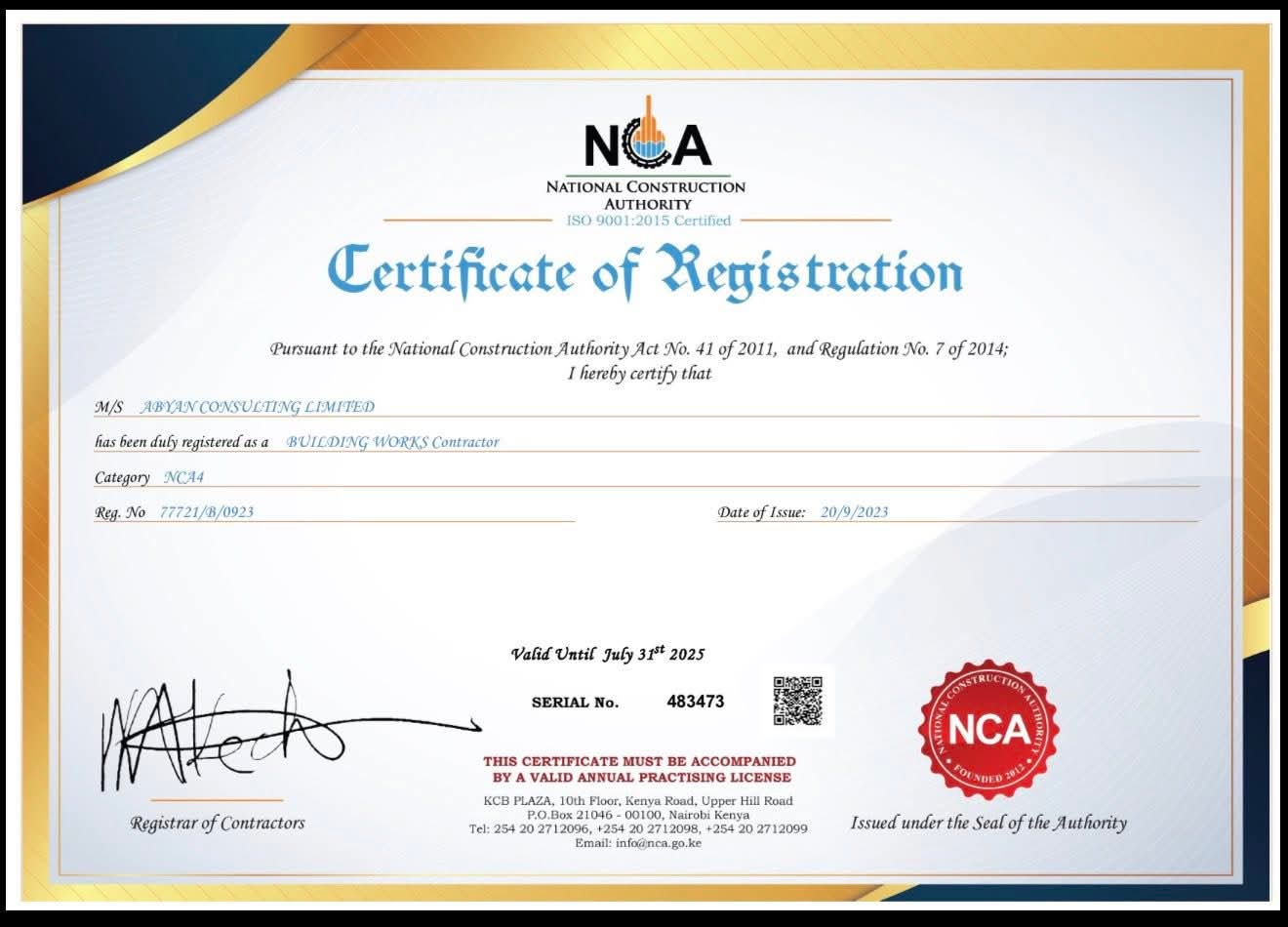
Records associated with the project show that the contractor involved held valid registration and an annual practising licence from the National Construction Authority under category NCA4.
However, experts note that compliance with NCA registration requirements does not override county planning approvals or permit deviations from approved building heights.
Spotlight on county oversight
Alai also alleged collusion between county planning officials, individuals within the governor’s office and officials from National Environment Management Authority, describing the situation as a cartel that routinely facilitates illegal developments in Nairobi.
The collapse has intensified pressure on Governor Sakaja’s administration, which has previously pledged to crack down on unsafe buildings following a series of deadly construction incidents in the city. Critics argue that the South C incident underscores systemic weaknesses in enforcement, inspection and accountability.
By the time of publication, Nairobi City County had not issued an official statement addressing the specific allegations surrounding the approvals. Attempts to reach the named officials for comment were unsuccessful.