
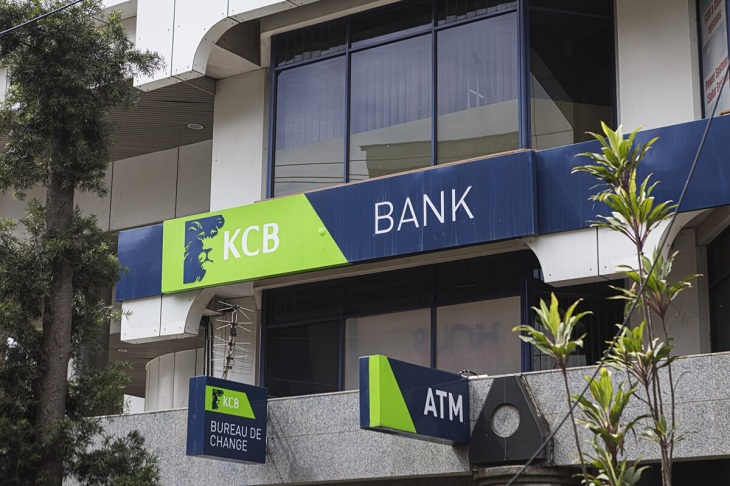
A businessman’s claims about a prolonged dispute with KCB Bank Kenya have raised questions about international payments, communication with customers and the handling of business loans after social media influencer Ndungu Nyoro shared his story on Tuesday, September 22, 2026.
The businessman, identified as Powel Ochieng Oyugi, says his company, Powel Jea Enterprise Limited, collapses after millions of shillings intended for an Indian fabric supplier become entangled in a dispute involving bank transfers.
Powel’s claims have not been independently established. However, they raise questions that KCB Bank Kenya could address about the handling of the disputed transactions.
What happened to the international payments?
Powel says he places a Ksh2 million deposit for a Ksh5.92 million fabric order in India before making further payments through KCB Bank Kenya.
He says Ksh1 million is first sent through PesaLink, followed by Ksh1.92 million and Ksh900,000 through RTGS after he negotiates exchange rates with the bank.
The businessman says the supplier later reports that the last two payments cannot be accessed and asks for documentation confirming that he is the sender.
Powel says a KCB officer advises him to recall the funds and resend them through a company account, but the branch manager later advises against the recall because of potential exchange-rate losses.
The central question is what happens to the two disputed transfers after the instructions change.
Why do the funds get held up?
Powel says he is later informed that the money is being held by an intermediary bank in the United States and that he receives no clear resolution for about two months.
He says he repeatedly visits the bank and eventually involves a lawyer, who issues a demand letter seeking completion of the transactions.
The claims raise wider questions about how customers making international business payments can trace delayed or disputed transfers, particularly when the money involved forms part of a company’s working capital.
How does the dispute affect the KCB loan?
Powel says he services a KCB loan of Ksh550,000 every month but falls into arrears after his business capital becomes tied up.
He further claims that KCB later reverses Ksh1.9 million and uses the money to clear the loan arrears.
This raises a further question about how loan recovery is handled when a customer is simultaneously disputing access to funds within the banking system.
Powel says the dispute has remained in court since August 2023, with the next hearing scheduled for Wednesday, December 9, 2026.
The businessman also says the financial difficulties affect his business and workers who depended on the company.
KCB Bank Kenya has not been given an opportunity to respond in the material shared by Nyoro. The allegations therefore remain claims pending the bank’s response and the court’s determination.