
There are few things as disappointing in Kenyan politics as watching someone who once stood firmly for human rights and democratic reform appear increasingly consumed by the pursuit of political power. Hassan Omar Hassan is now at risk of becoming an example of how a politician can move from fighting for democratic principles to defending the very establishment he once opposed.
I have known Hassan as a comrade and friend, or so I thought, since 1997 when he served as chairman of the Moi University Students Organisation. When the university expelled him, I helped secure lawyers to represent him as he fought the decision.
In 1998, Hassan became the first chairman of the Kenya National Students Union after student leaders from universities and national polytechnics converged at Egerton University in Nakuru.
We worked together in the push for democratic reforms that eventually contributed to the political changes leading to the National Rainbow Coalition victory in 2002.

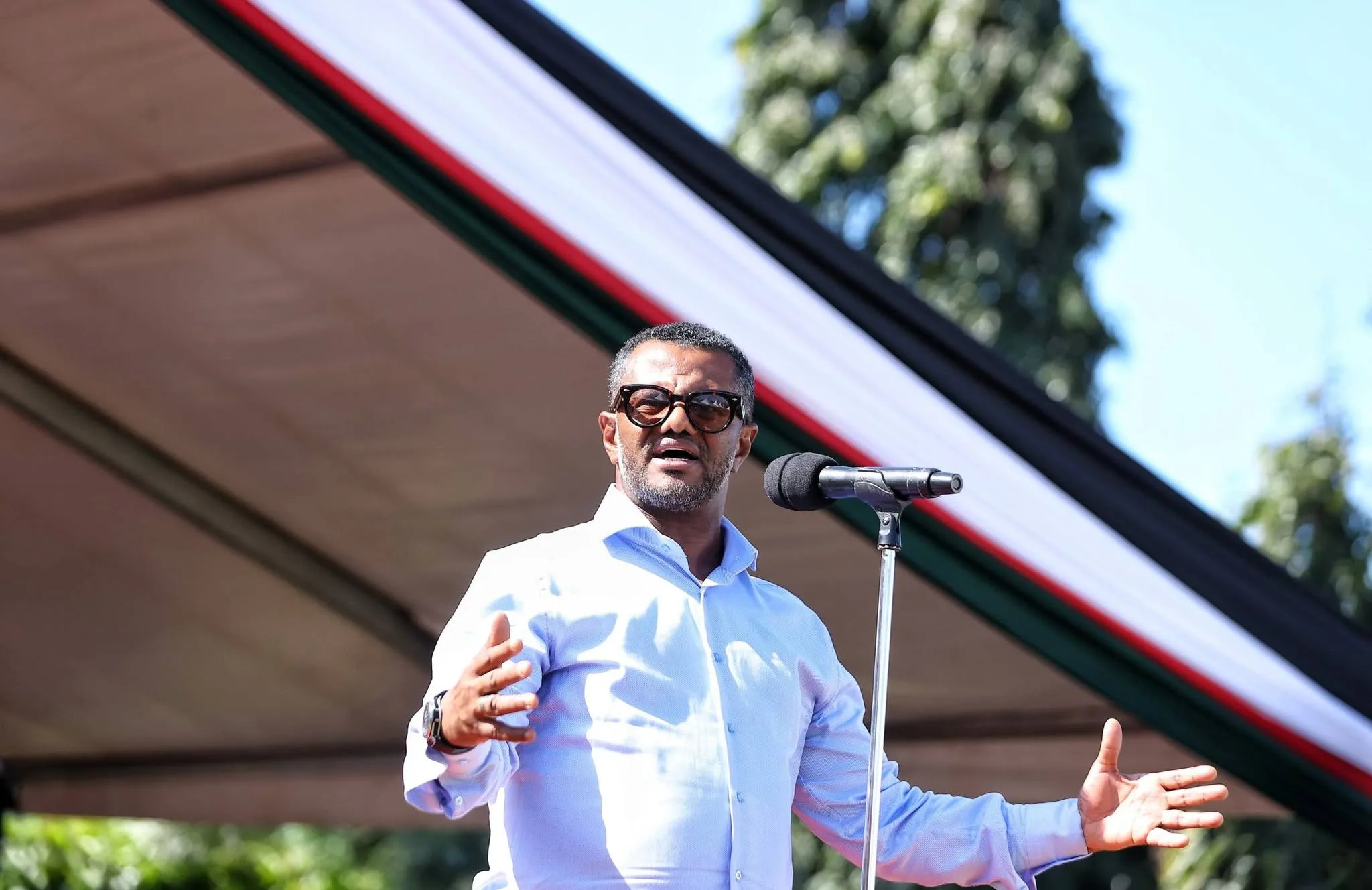
UDA Party SG Hassan Omar speaks during a past event. Photo/https://web.facebook.com/hassanomar2022
Hassan’s journey did not end there. We later lobbied for him to become a commissioner at the Kenya National Commission on Human Rights, where he eventually became vice chairman.
He was also visible during the investigations into the 2007/08 post-election violence and the protection of victims, internally displaced people, and witnesses.
That is the Hassan Omar many of us remember: a young activist who believed in constitutionalism, human rights and democratic reform.
When power becomes the destination
The problem with Hassan today is not that he wants political power. There is nothing wrong with seeking office, supporting a president or changing political alliances.
The problem is the manner in which he appears to be pursuing that power and the political language he is increasingly using to demonstrate his loyalty to the government.
Hassan now appears determined to be more hawkish than the hawks around President William Ruto. In trying to prove his loyalty, he risks making statements that can overshadow the political record he spent decades building.
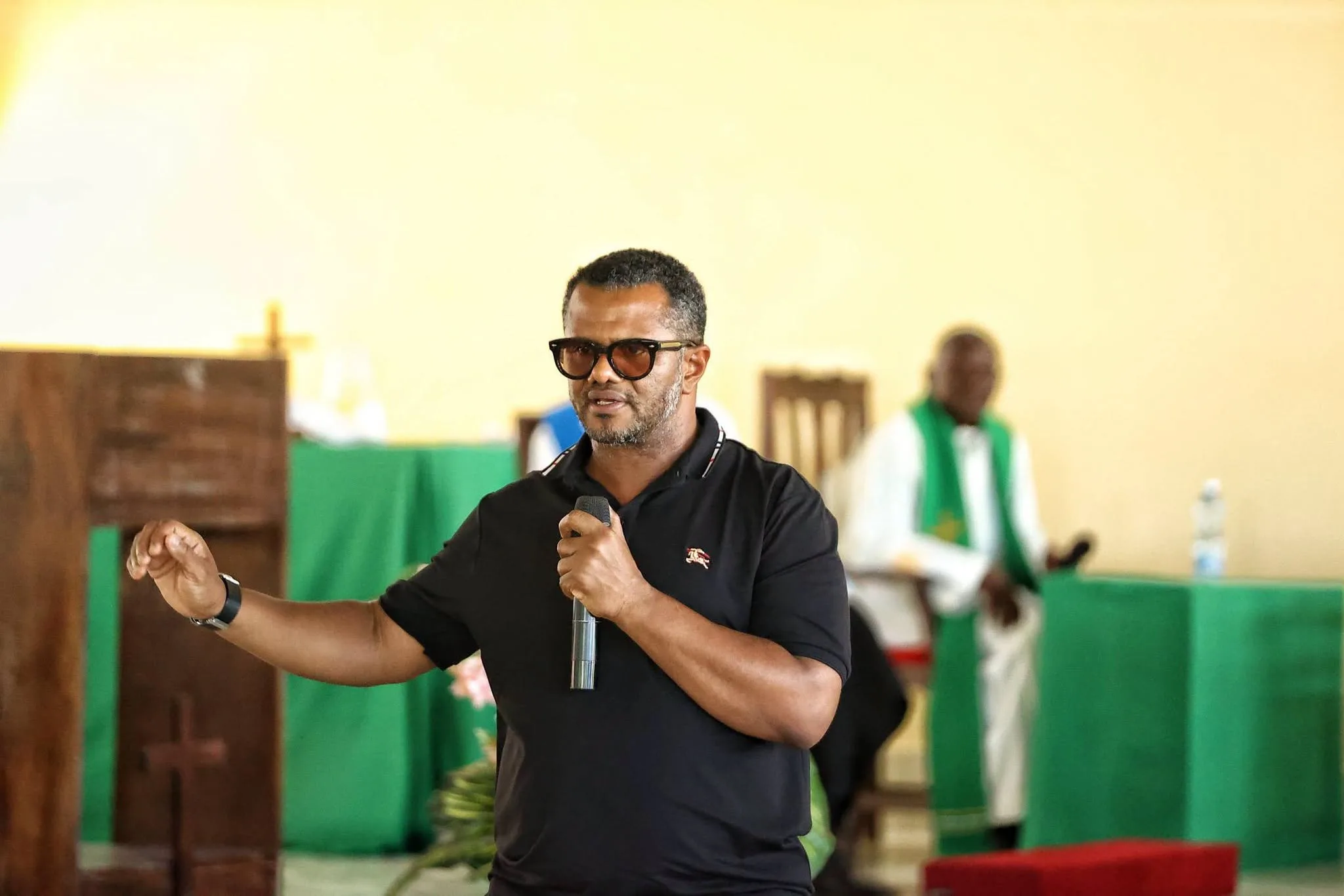
UDA Party SG Hassan Omar speaks during a past event. Photo/https://web.facebook.com/hassanomar2022
His recent remarks about dead people being used to vote for Ruto in 2027 are a particularly striking example.
Hassan spoke about fingerprints being taken from dead people in mortuaries and used in voting, remarks that generated strong reactions because of the extraordinary picture they created of an election involving people who are no longer alive.
For someone whose political journey was closely associated with human rights and democratic reform, such rhetoric raises an obvious question about where the pursuit of political power has taken him.
Hassan should also look at the history of Kenyan politics before investing so heavily in loyalty to the people currently occupying the centre of power.
Powerful figures have served in the Kenyatta, Moi, Kibaki and Uhuru Kenyatta administrations, but only a small number remain widely remembered with genuine admiration after leaving government.
Political power is temporary, while a person’s reputation can remain long after the office has disappeared.
Ruto will eventually move on
My concern for Hassan is that he appears to be taking political loyalty to a point where he risks becoming more hawkish than the people he is defending.
He does not need to prove his loyalty to President Ruto by defending every position or making increasingly aggressive statements on behalf of the administration.

UDA Party SG Hassan Omar speaks during a past event. Photo/https://web.facebook.com/hassanomar2022
The political history of Kenya shows that governments eventually move on from many of the people who once appeared indispensable. Those who occupy powerful positions today will eventually leave those offices, while their political records will remain open to judgment.
That is why Hassan needs to think carefully about the legacy he is building.
He has already lived several political lives. He was a student leader, a reform activist, a human rights commissioner and a senator. He participated in movements that pushed for a more democratic Kenya and later became part of the political establishment he once challenged.
His decision to work with political forces that had previously been on the opposite side of the democratic struggle was his choice. But the danger now is that his determination to remain close to power could eventually overwhelm everything that came before it.
Hassan’s political history should be a reminder that power does not last forever. A politician can enjoy proximity to the presidency today and find himself politically irrelevant tomorrow.
That is why I believe Hassan is looking for power the wrong way. If he continues presenting himself as more aggressive and more loyal to the ruling establishment than necessary, he risks being remembered not for the human rights and democratic work that defined the earlier part of his career, but for the period when he appeared to have abandoned those principles in pursuit of political relevance.
Ruto may continue to need Hassan today, but political alliances are rarely permanent. If the political winds change, the same government Hassan is defending so aggressively could move on without him.
When that happens, Hassan will be left with something much more difficult to rebuild than a political position: his reputation.
The question, therefore, is not whether Hassan can remain close to power for another few months or even through the 2027 election. The more important question is what Kenyans will remember when that political season is over and the offices, titles and alliances have changed.