
Cyprian Nyakundi, a name synonymous with holding power to account, has once again brought a critical issue to the public’s attention. This time, the spotlight is on the Kenya Water Institute (KEWI), where its top leadership is facing intense pressure over a massive Sh800 million consultancy contract. The story, as reported, raises serious questions about how public money is managed and whether the systems meant to protect taxpayer funds are actually working.
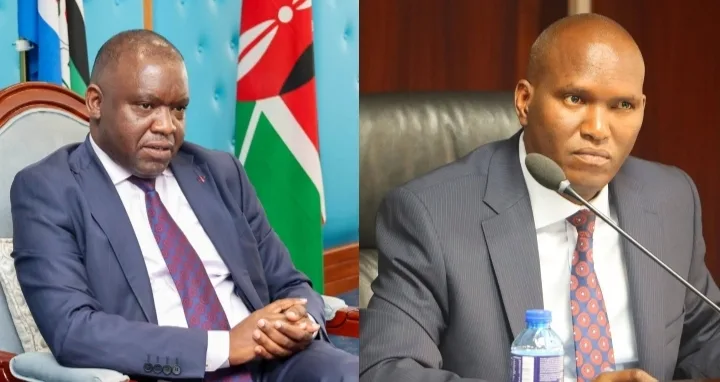
At the center of this storm are KEWI Chairman Hon. Patrick Musili Mbangula and CEO Dr. Solomon Leiro Letangule. They are now under immense scrutiny from Parliament to explain exactly how this huge deal was approved.
The core of the matter is simple yet deeply troubling: Parliament wants to know if taxpayers got any value for their money. Chairman Mbangula, who is responsible for overall governance and financial oversight, and CEO Dr. Letangule, who as the accounting officer oversees procurement and daily management, must now provide clear answers. The fact that Parliament has stepped in shows that the usual internal checks and balances may have failed or been bypassed entirely.
The details that have emerged are even more alarming. It was revealed that Sh330 million of the Sh800 million contract has already been paid. Even more shocking is the claim that Sh100 million of this was allegedly released before the required approvals were in place. This is a serious breach of financial protocol.
When public funds are spent without proper authorization, it erodes public trust and sets a dangerous precedent. It suggests that rules can be bent or broken, and that oversight is merely a formality rather than a genuine control mechanism.
Members of Parliament have taken a firm stand. They have demanded to see the full consultancy contract, all procurement records, the payment approvals, and a detailed breakdown of the work that has been done.
This is a reasonable and necessary request. Before any more public funds are released, Parliament must be satisfied that the process was above board and that the country has received tangible benefits from the money already spent.
The demand for a “detailed breakdown of the work done” is particularly important, as it gets to the heart of whether this was a genuine service to the institute or a misuse of resources.
This situation is a stark reminder of the constant battle against corruption and mismanagement in public institutions. The questions being asked are not just about a single contract; they are about the integrity of the entire system.
When leaders at the highest levels of an institute face such serious allegations, it shakes confidence in the institution’s ability to govern itself.
The role of figures like Cyprian Nyakundi and the media in bringing these stories to light is crucial. Without public scrutiny, such deals might remain hidden from the very people whose money is being spent.
The KEWI case is now a test of accountability. Will the leadership provide satisfactory answers?
Will those responsible be held to account if any wrongdoing is found? Or will this become another case where the truth is buried, and the cycle continues?
All eyes are on KEWI’s leadership and Parliament’s next move. The public deserves nothing less than full transparency and justice.