
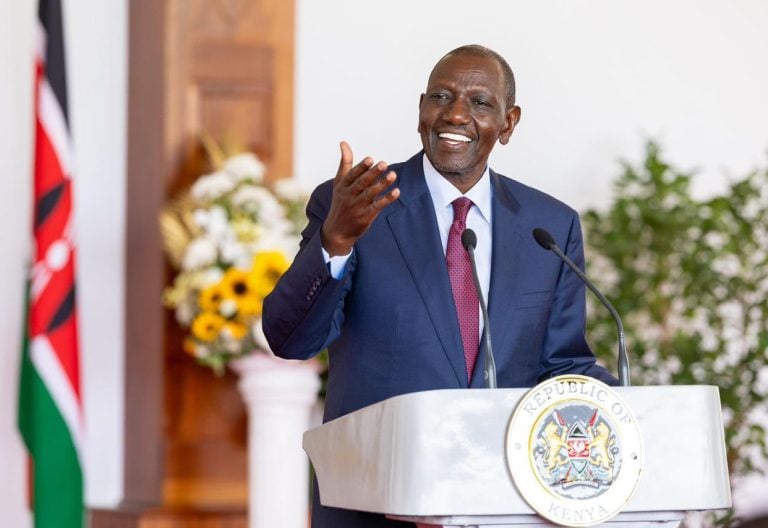
The administration of William Ruto is facing growing criticism both locally and internationally after fresh claims emerged that the government has expanded the use of illegal digital surveillance tools against citizens, activists, and political critics.
The allegations were highlighted in an investigative report aired by Al Jazeera on its programme The Listening Post on May 25, 2026.
According to the report, Kenya’s surveillance operations have significantly increased since the anti-government protests witnessed in 2024. The findings have raised concern among human rights groups and civil society organizations, who fear that freedoms such as privacy, free speech, and political expression are increasingly under threat as the country approaches the 2027 General Election.
The investigation claimed that technologies originally acquired for national security purposes, including counterterrorism and intelligence gathering, are now allegedly being used to monitor ordinary citizens, independent journalists, opposition figures, and human rights defenders. Critics argue that these tools are being deployed to track online activities and identify individuals linked to government criticism or protest organization.
Human rights advocates believe the 2024 Gen Z-led demonstrations marked a turning point in Kenya’s political environment. Unlike previous protests that were often organized through established political or ethnic leadership structures, the demonstrations were largely decentralized and driven by young people using social media platforms such as X and TikTok. This made it more difficult for authorities to predict or control the movement.
Speaking during the Al Jazeera programme, human rights advocate Victor Ndede said the protests caught the state by surprise because they did not follow traditional patterns of political mobilization.
He explained that the movement was largely leaderless and digitally organized, making it different from earlier forms of protest seen in the country.
The report further suggested that authorities may have intensified digital monitoring efforts in an attempt to identify influential online voices and protest coordinators.
Pressure is mounting on the government to explain the extent of its cyber-surveillance activities and reassure the public about the protection of constitutional rights.