
By Johaness Wamugo
Kenya’s Ministry of Foreign Affairs is undergoing a transition that was long overdue. For years, concerns around inefficiency, rising operational costs, and uneven accountability across missions abroad have been acknowledged quietly but rarely confronted directly.
That moment has now arrived.
At the centre of this shift is PS Dr. Korir Sing’oei, whose approach has introduced a level of scrutiny and structural adjustment that is beginning to redefine how Kenya conducts diplomacy.
The response has been predictably mixed. Reform, particularly when it targets systems that have operated with limited oversight, rarely proceeds without resistance.
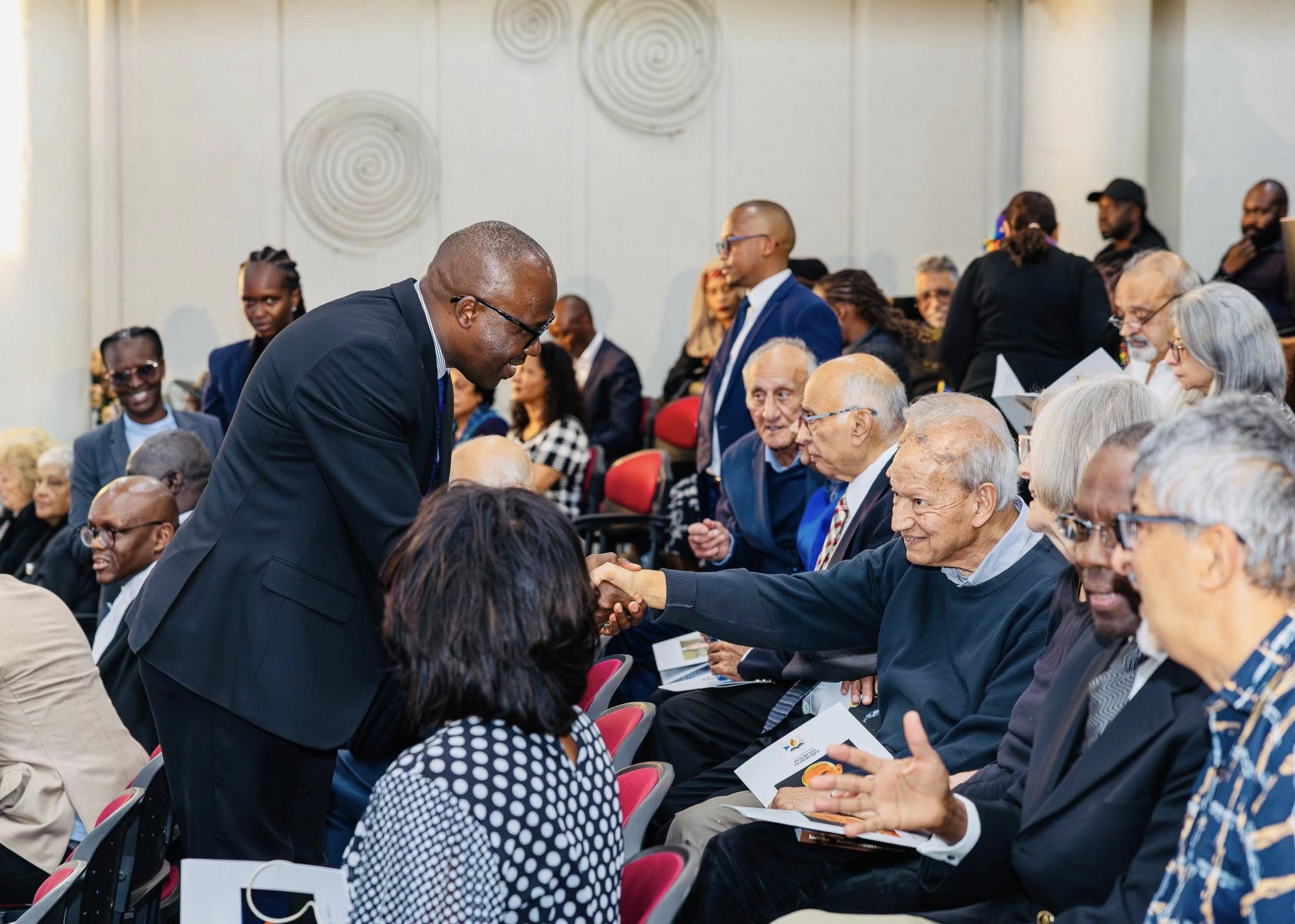
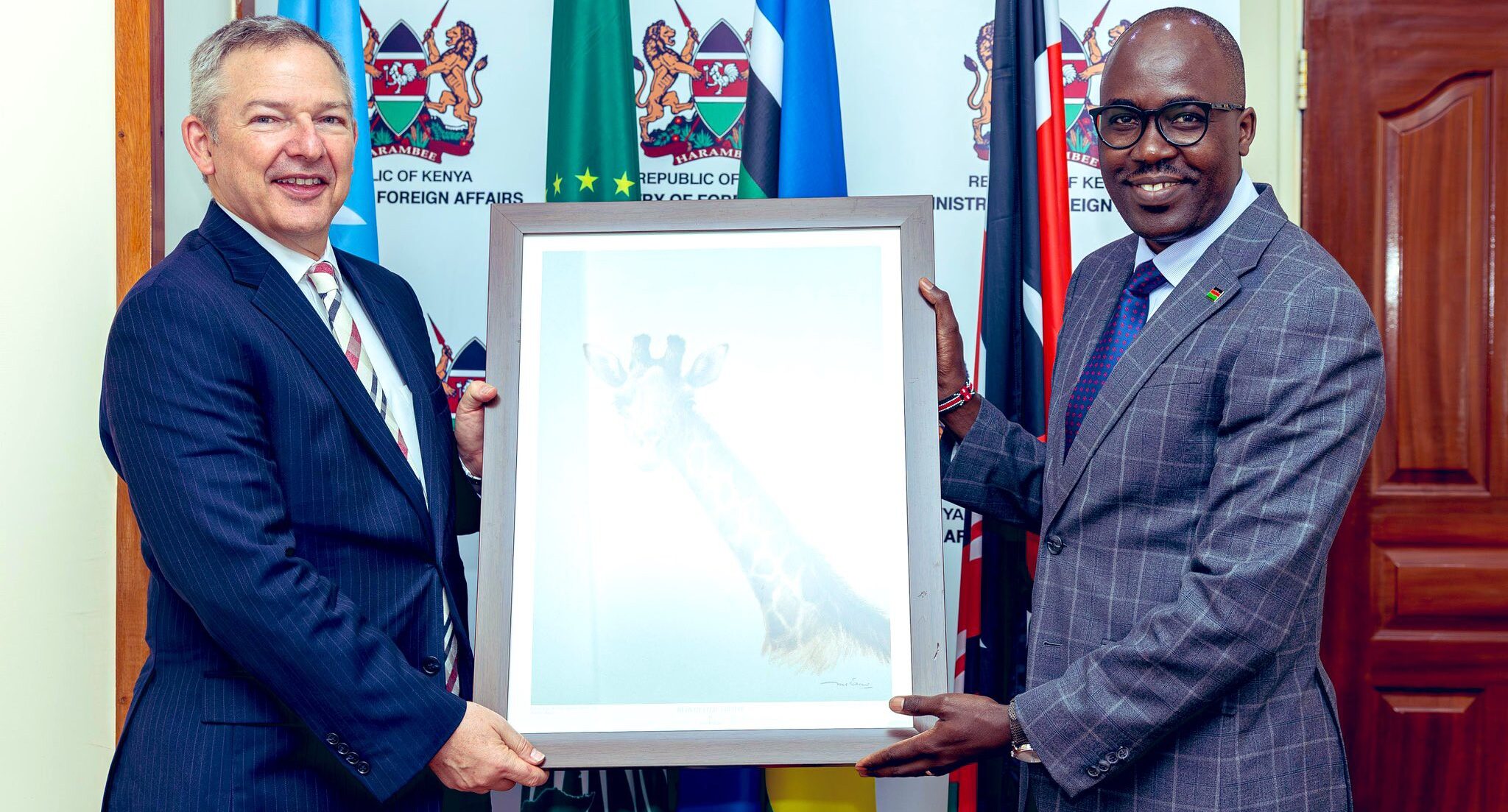
Foreign Affairs PS Korir Sing’oei during a past event. Photo: Dr. Abraham Korir Sing’Oei Source: Facebook
Financial Discipline
The most immediate impact has been financial discipline. Mission rental expenditure, which had escalated to about KSh 3 billion annually, is being reassessed and reduced.
This is not a cosmetic adjustment. It is a direct intervention into one of the largest cost centres within Kenya’s foreign operations. It signals a shift from passive expenditure to deliberate resource management.
Equally significant is the restructuring of insurance frameworks across regions. For the first time, there is a coherent attempt to leverage scale and consistency.
The Americas operate under a unified policy, Europe under a structured model, and Africa under a tailored plan that reflects its specific risk profile.
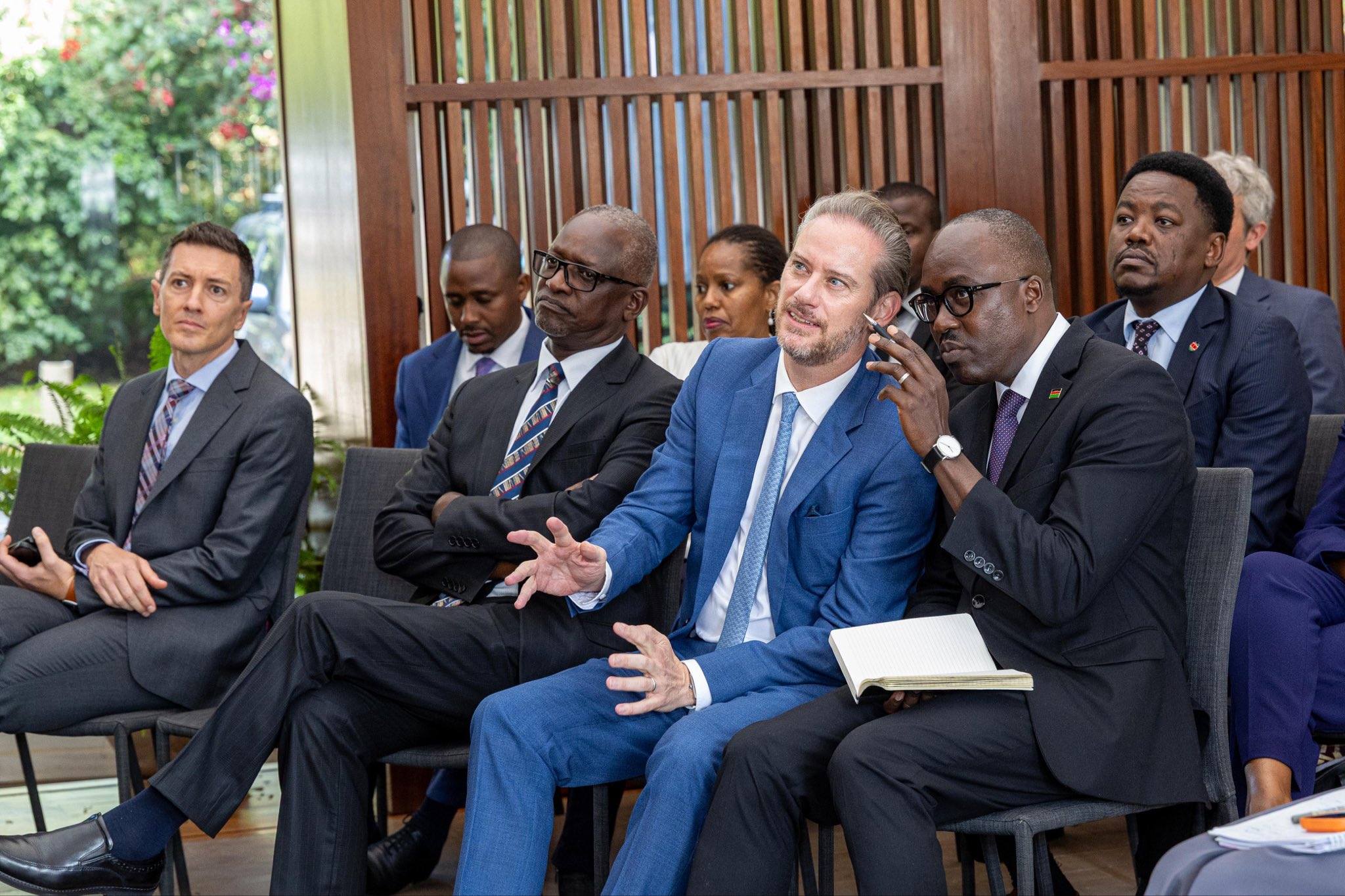
Foreign Affairs PS Korir Sing’oei during a past event. Photo: Dr. Abraham Korir Sing’Oei Source: Facebook
These are technical changes, but their implications are substantial. They reduce fragmentation, improve bargaining power, and align benefits more closely with both personnel and state interests.
Such measures inevitably disrupt established arrangements. Where inefficiencies exist, they are often accompanied by interests that benefit from their continuation.
It is therefore not surprising that the reform process has coincided with increased criticism directed at Korir Sing’oei. The pattern is familiar. When systems are tightened, those affected are rarely neutral.
Strategic Shift
What is less frequently acknowledged is that a significant portion of Kenya’s professional diplomatic corps supports these changes.
Career officials understand that without reform, the country risks falling behind in a global environment where diplomacy is increasingly tied to measurable outcomes, strategic clarity, and efficient use of resources.
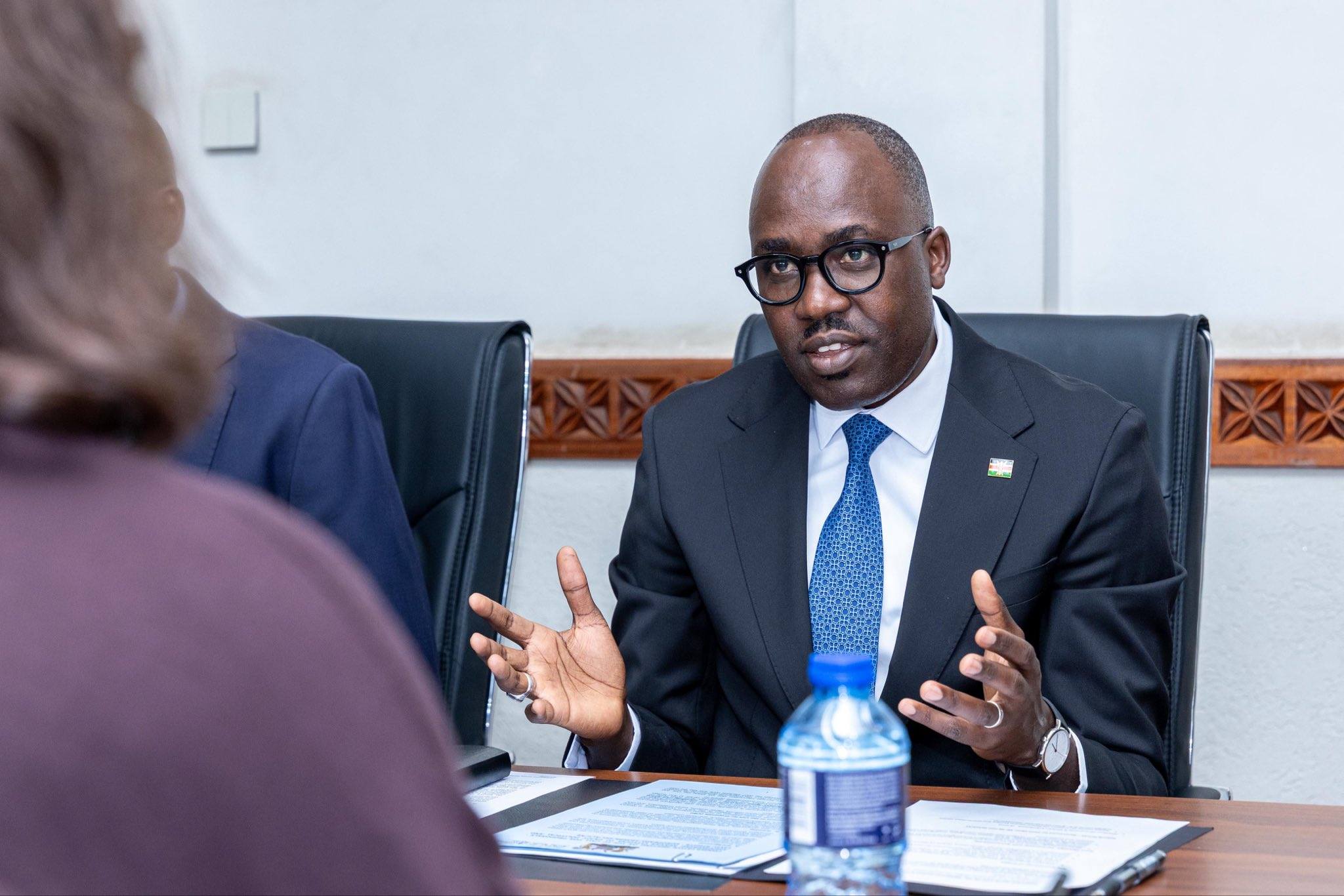
Foreign Affairs PS Korir Sing’oei during a past event. Photo: Dr. Abraham Korir Sing’Oei Source: Facebook
Beyond internal restructuring, there is a broader strategic shift underway. Kenya’s foreign policy is becoming more deliberate in asserting national interest.
The Kenya First approach is not rhetorical. It is visible in how the country positions itself in global partnerships, maintaining its standing even as other states in the region face more restrictive conditions in key jurisdictions.
The decision to host the upcoming African French summit outside francophone regions, and in an anglophone country for the first time, is not incidental.
It reflects growing diplomatic capital and an ability to convene across traditional divides. These are the markers of a country actively shaping its external environment rather than reacting to it.
Diplomacy today is conducted in a fluid and highly scrutinised space. Communication is faster, expectations are higher, and the margin for ambiguity is narrower.
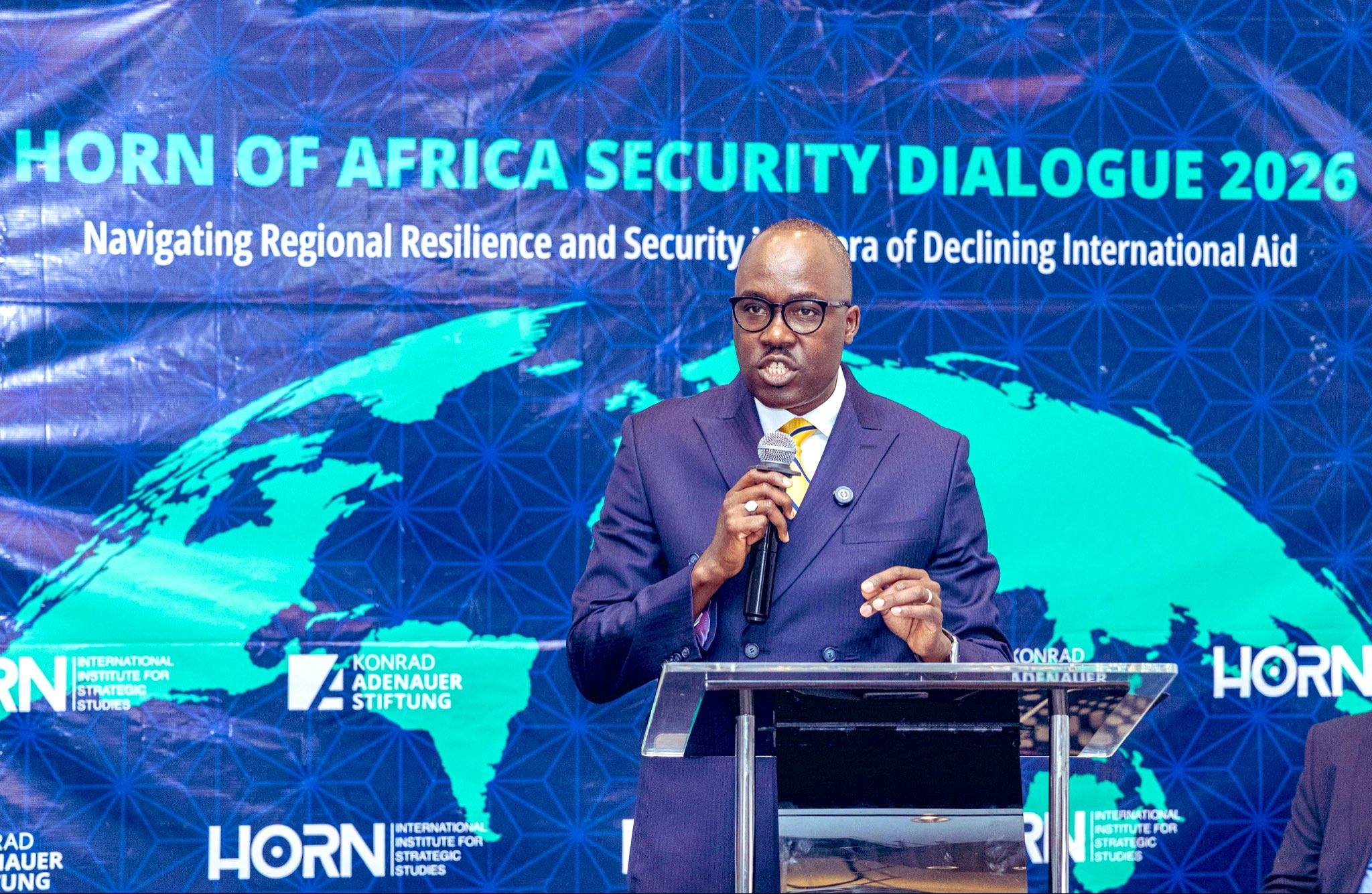
Foreign Affairs PS Korir Sing’oei during a past event. Photo: Dr. Abraham Korir Sing’Oei Source: Facebook
In such a setting, adjustments in tone, speed, and clarity are inevitable. They are part of adaptation, not deviation.
It is within this context that the current moment at the Ministry of Foreign Affairs should be understood. What is being witnessed is not disorder, but transition. Not decline, but recalibration.
Reforms that touch on cost, structure, and accountability will always generate pressure. They will attract scrutiny and, at times, organised opposition. That does not invalidate their necessity.
From where I stand, the direction is clear. Korir Sing’oei has set in motion changes that seek to align Kenya’s diplomacy with its economic and strategic ambitions. The resistance is real, but so is the rationale behind the reforms. Go forward, PS!