
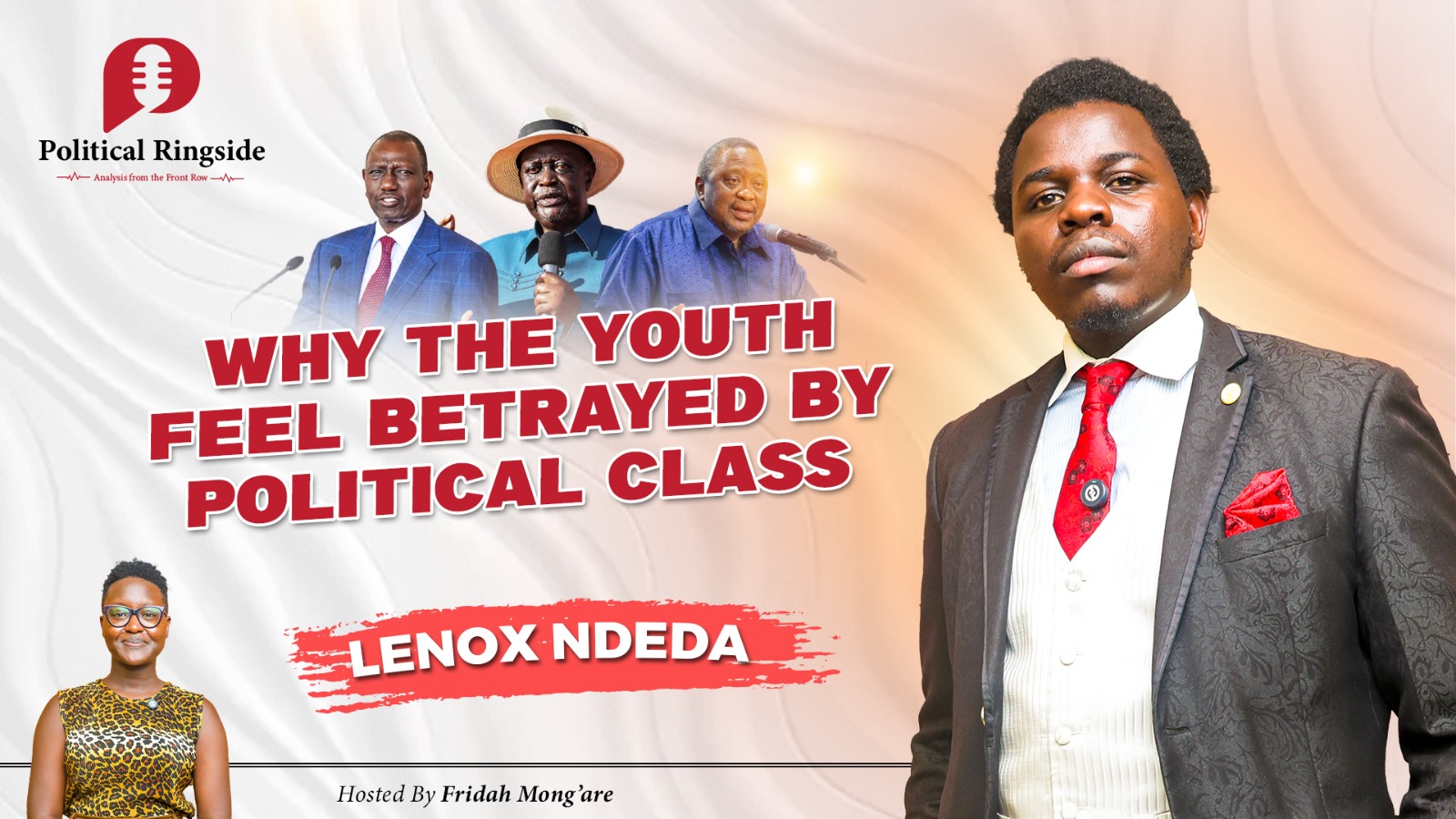
There is a certain honesty in the latest Political Ringside episode that is hard to ignore.
It is not loud, it is not dramatic, but it settles in slowly, especially as Lennox Ndenda walks through what he sees as the real problem facing Kenya today, and why many young people are beginning to lose faith in the political system.
He starts with something simple, almost obvious, but it carries weight. Consistency. According to him, that is where things keep breaking down.
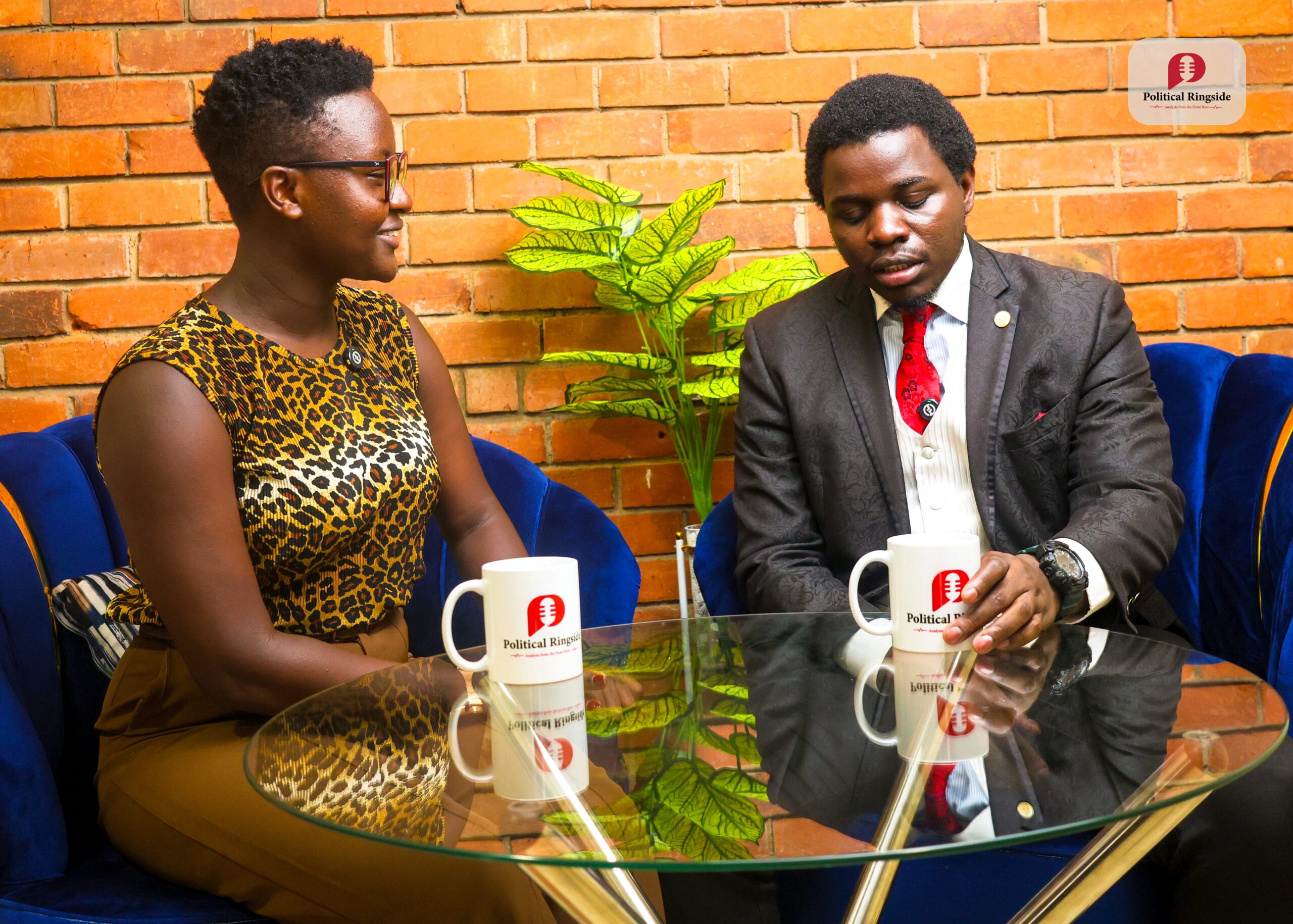
Fridah Mong’are and Lennox Ndenda during a Political Ringside show. Photo: Political Ringside Source: Political Ringside Studios
Every administration comes in with big plans, strong manifestos, even convincing language about transformation. But somewhere along the way, the direction shifts.
Priorities change. Momentum fades. And before anything meaningful takes root, the cycle resets again with the next government. That pattern, he says, is what has kept the country moving without really progressing.
That idea flows into the youth conversation, and this is where it gets uncomfortable. The “Niko Kadi” wave, which many see as a sign of political awakening, does not impress him as much.
Not because youth are registering, but because of why they are doing it. He suggests that for many, it has become more of a social moment than a serious civic step.
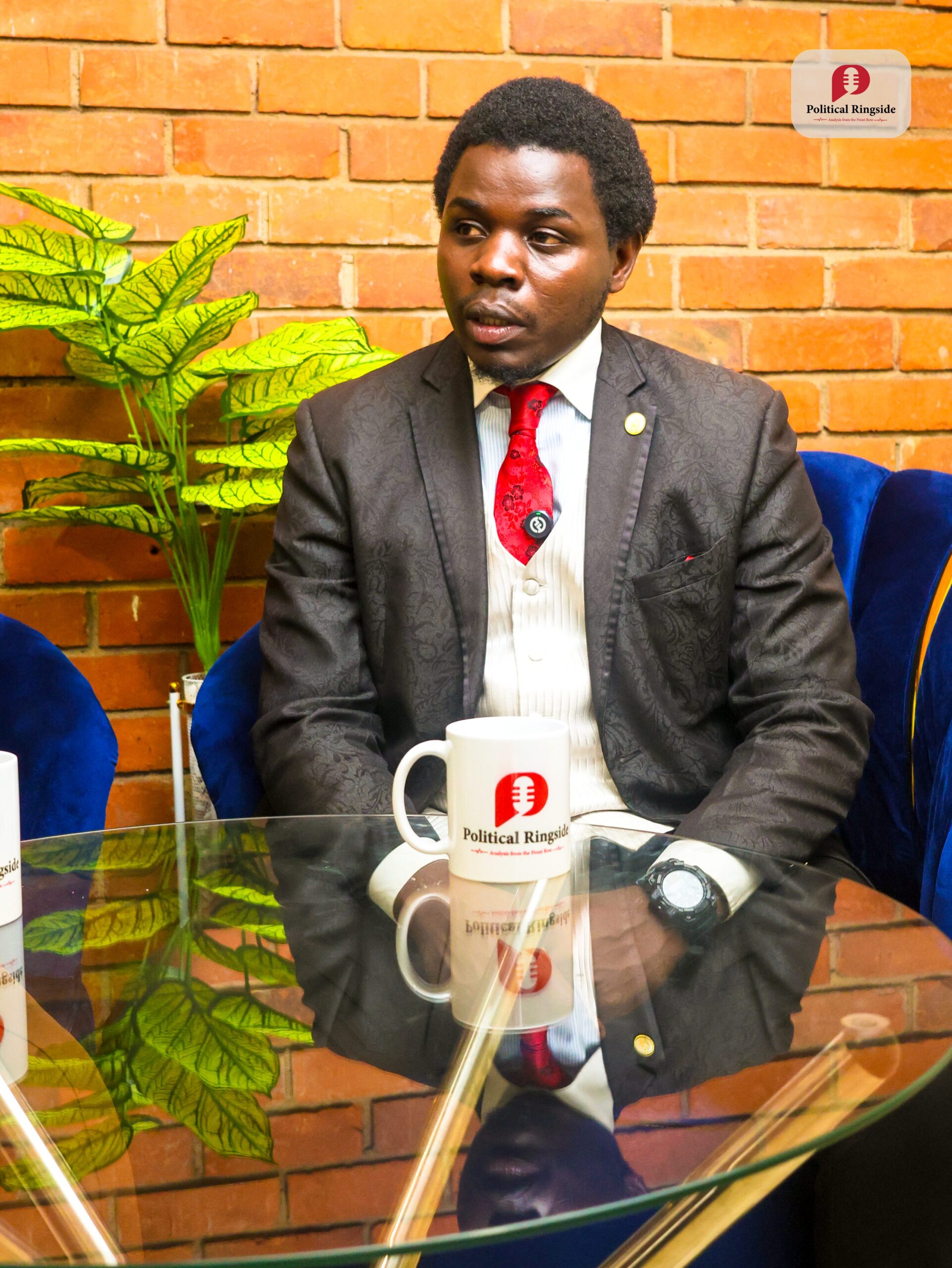
Lennox Ndenda talks to Political Ringside. Photo: Political Ringside Source: Political Ringside Studios
A photo, a post, a trend. But behind that, very little understanding of how power actually works.
And maybe that is where the vulnerability comes in. Because without that understanding, it becomes easy for politicians to step in with simple promises, small handouts, and emotional messaging.
Ndenda calls it manipulation, but not in a distant way. It feels closer than that, almost normalised.
Then he touches on poverty, and the tone shifts again. He does not speak about it as a statistic, but as something that quietly changes people.
Even those who start with clear intentions. From his own experience around student leadership, he describes how quickly ideals can be traded once survival becomes the priority. And in that space, the system does not even need to fight back. It simply absorbs.
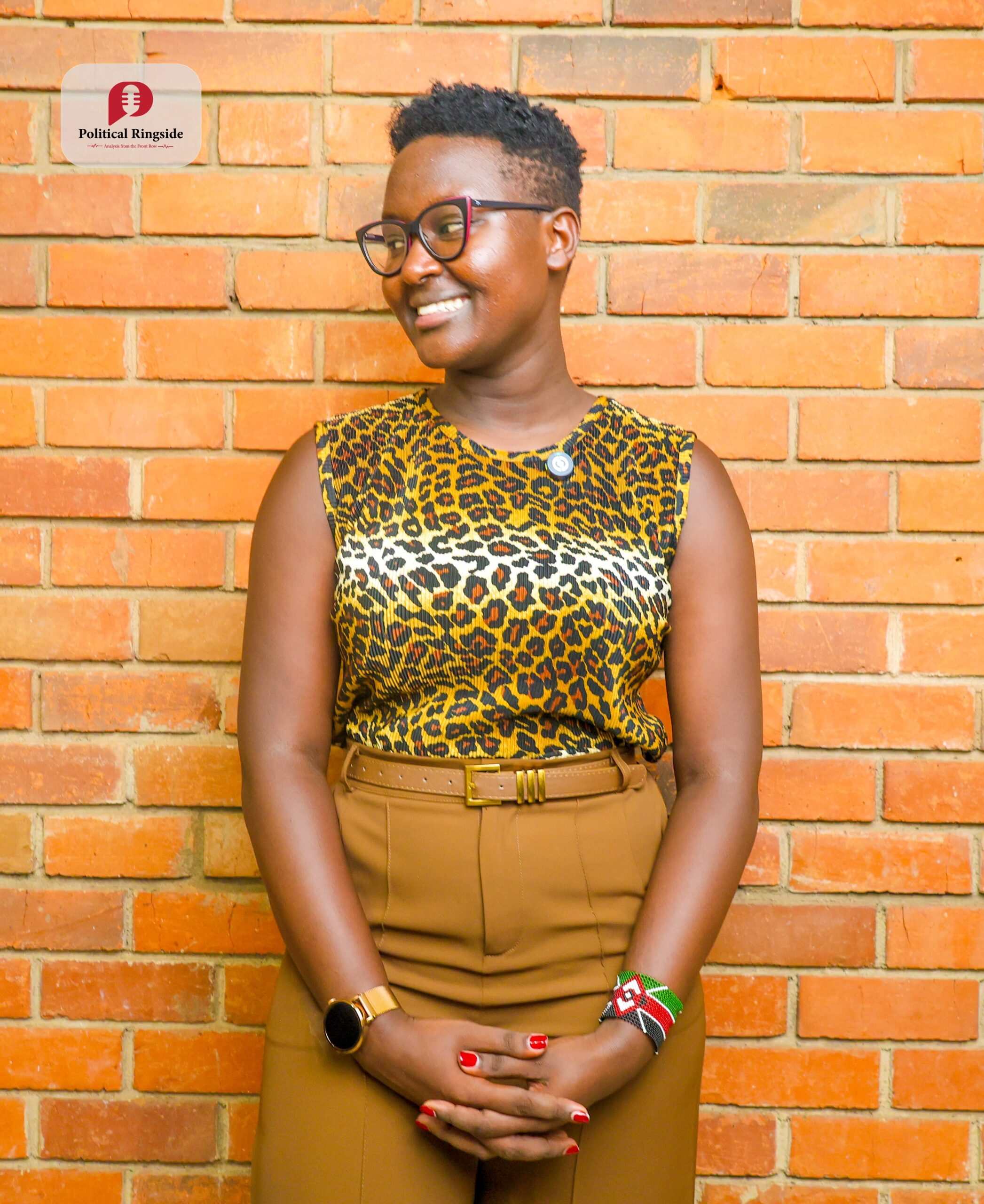
TV host and media personality Fridah Mong’are during a Political Ringside show. Photo: Political Ringside Source: Political Ringside studios
There is also a moment where faith comes in, but even there, he draws a line. Personal belief, he says, is one thing. Politics is another. One is private, the other affects everyone, and the two should not be confused.
By the time the conversation winds down, there is no neat conclusion waiting. Just a kind of pause. The sense that whatever change people are hoping for, it will not come quickly.
It will take time, patience, and maybe a different kind of thinking. And for the youth, perhaps the bigger question is not just whether they are ready to vote, but whether they are ready to understand what that vote really means.