
Kenya’s new one-billion-dollar debt-for-food security swap with the United States is more than a clever refinancing tool.
It is a diplomatic victory, earned at a moment when global markets are jittery and political noise at home can easily distort national priorities.
Behind the scenes, a few busybodies and loud naysayers worked hard to cast doubt on the negotiations, predicting collapse or warning of phantom conditions. They will now have to rethink their assumptions.

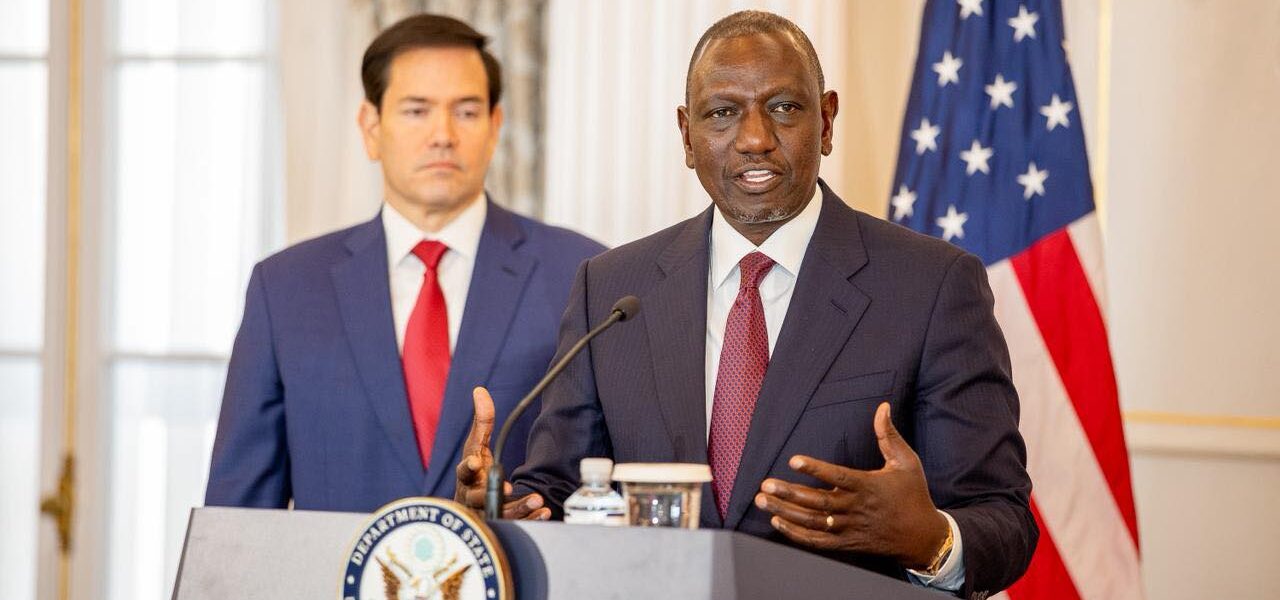
President William Ruto during US tour. Photo: William Ruto Source: Facebook
For months, critics insisted Kenya lacked the leverage to secure concessional refinancing from Washington. Others claimed the US would avoid a debt-swap structure adapted from environmental models, arguing it was too experimental for a major African borrower.
Yet the United States International Development Finance Corporation went ahead and approved the full package.
That decision signalled something deeper: confidence in Kenya’s governance direction and in President William Ruto’s reform agenda, despite the background chatter meant to undermine it.
The soft-power gain here is substantial. At a time when many developing economies are struggling to attract affordable capital, Kenya has positioned itself as a disciplined negotiator capable of meeting scrutiny, honouring its commitments, and prioritising long-term development over political theatrics.
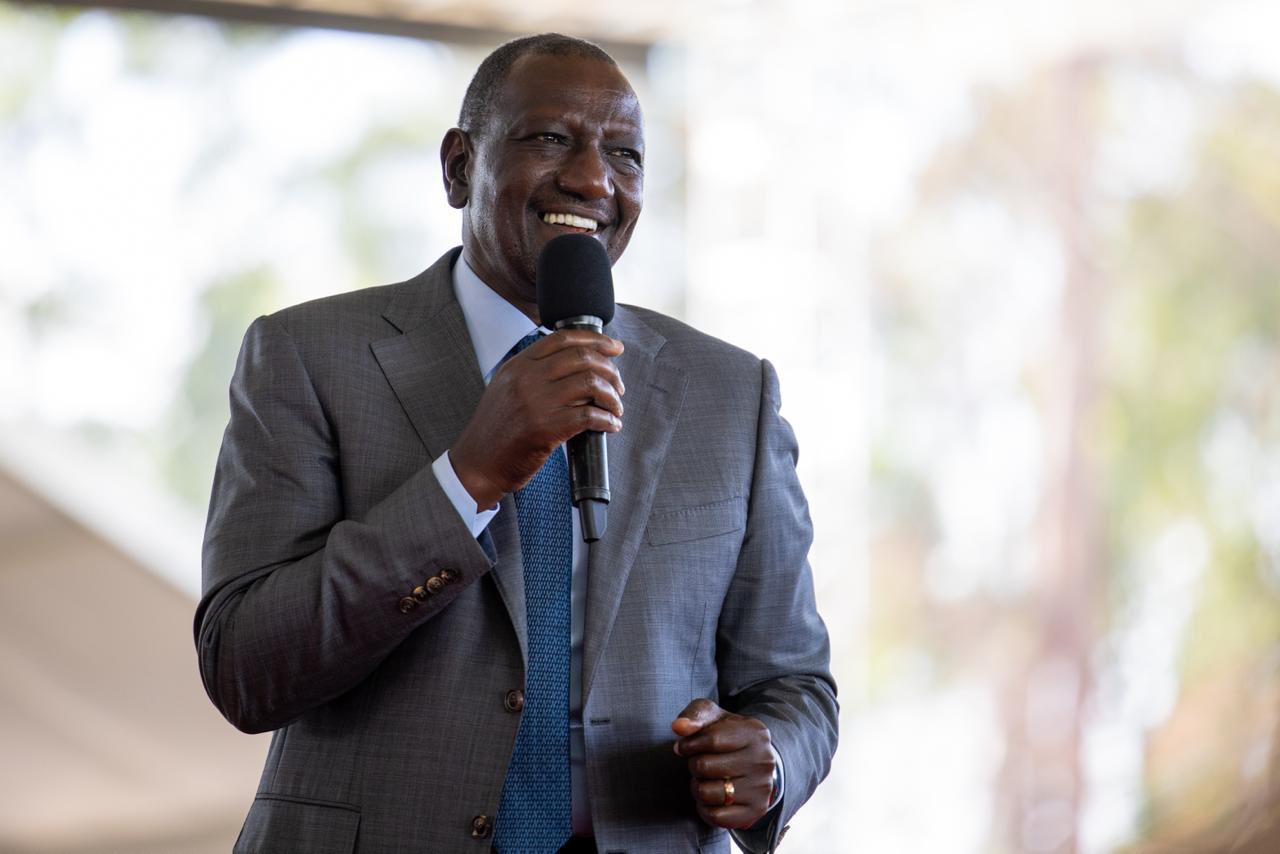
President William Ruto during US tour. Photo: William Ruto Source: Facebook
By channeling savings into irrigation, climate-resilient crops, stabilised food systems, and community nutrition, the government has demonstrated that fiscal innovation can directly support human security.
Ironically, the attempts to scuttle the deal strengthened Kenya’s diplomatic hand.
By navigating critics openly and maintaining policy clarity, Nairobi presented itself as a credible partner facing pressure yet choosing transparency.
Washington, in turn, saw strategic value in backing a country willing to align development goals with responsible debt management.
This swap also opens doors. Infrastructure partnerships, from airport upgrades to port modernisation and digital connectivity, signal that the US sees Kenya as a stable anchor in East Africa’s investment landscape.

President William Ruto during US tour. Photo: William Ruto Source: Facebook
In a shifting geopolitical era, that perception is as valuable as the financial savings themselves.
In the end, Kenya has achieved more than reduced debt-service costs. It has reaffirmed itself as a country able to rise above noise, resist mischief, and negotiate from a position of principle.
And for the critics who wished the deal away, the latest developments offer a simple message: Kenya is playing in a bigger league now.