
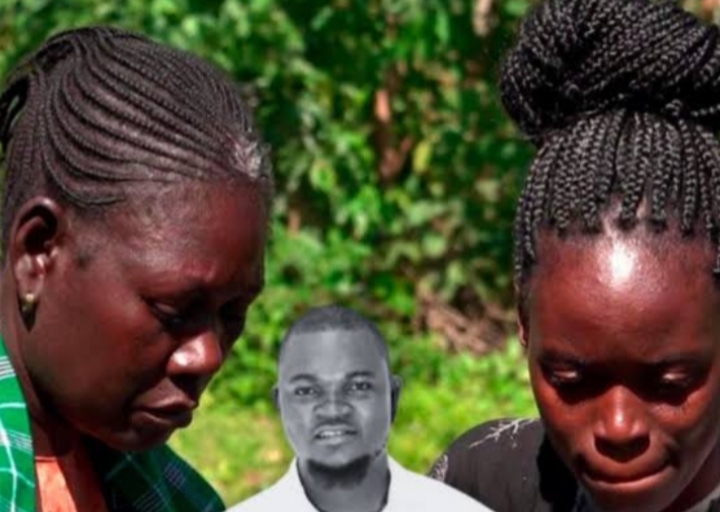
Nevnina Onyango, the widow of the late teacher and blogger Albert Ojwang, has drawn public attention after sharing a simple photo showing her sitting with her mother-in-law, Eucabeth Opiyo, at their family home in Kokwanyo village in Homa Bay. The image has been widely praised by Kenyans online for reflecting unity, respect, and shared grief within a family still mourning a painful loss.
The photo captures a calm and personal moment between the two women as they sit close to each other during a visit at the rural home. There is no sense of display or performance in the image. Instead, it shows quiet togetherness at a time when words often fail.
Many online users noted how similar Nevnina and her mother-in-law look, while others focused more on the meaning behind the moment. To many, the photo represented strength, compassion, and the importance of family support after tragedy.
Albert Ojwang was a well-known teacher and digital influencer whose voice reached many people online. His death in June 2025 while in police custody shocked the nation and led to widespread anger and protests.
He had been arrested in Homa Bay on allegations of cyber harassment and later transferred to Nairobi. He died at the Central Police Station under circumstances that raised serious questions and concern.

Albert Ojwang’s widow and her mother in law. Photo Courtesy: Tuko.
Since his death, Ojwang’s family has been seeking justice through the courts. The case has become one of the most closely watched police accountability cases in recent years. Six people, including former Nairobi Central Police Station OCS Samson Talaam, have been charged with murder. The case is still ongoing, and the family continues to attend court sessions as they wait for answers and accountability.
Against this heavy background, the photo shared by Nevnina stood out because of its human message. Many Kenyans said it was encouraging to see a widow remain close to her in-laws instead of pulling away during a painful period.
Commenters described her actions as respectful and loving, noting that grief can often divide families if not handled with care and understanding.
Others said the image reminded them that behind every major national case are real families dealing with loss every day. While the public discusses investigations, court rulings, and police conduct, families like Ojwang’s continue to live with the emotional weight of what happened. The photo helped many people connect to that reality in a more personal way.
Ojwang’s death has continued to spark national debate about police conduct, the treatment of suspects in custody, and the need for transparency in law enforcement.
Civil society groups and members of the public have repeatedly called for reforms to protect civilians and prevent similar deaths.
The case has also renewed discussions about digital freedom and the risks faced by outspoken voices online.