
Many Ugandans found themselves cut off from key sources of information as the country moved closer to its general election. Just hours before voting was due to begin, access to KTN, a well-known Kenyan television station, was blocked across Uganda. For many viewers, this sudden move came as a surprise and created confusion at a time when people were eager to follow election news from different viewpoints.
The decision to block the broadcaster was reportedly made by the Uganda Communications Commission, which instructed pay television provider MultiChoice to suspend KTN from its DSTV platform. Officials said the action was taken for reasons linked to national security.
At the same time, printed copies of KTN’s sister publication, the Standard Newspaper, were stopped from entering the country. This meant that both television and print coverage from the Kenyan media house were no longer available to Ugandans.
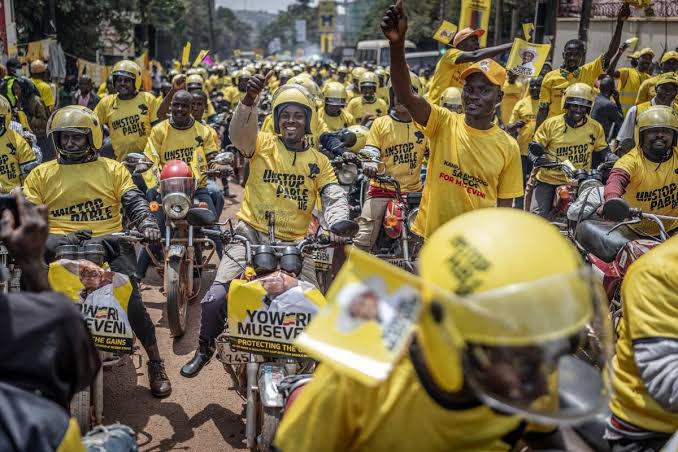
KTN had been covering opposition campaigns, public rallies, and reports of unrest in different parts of the country. Its reporting often gave space to voices and perspectives not commonly seen on state-controlled outlets. With the station taken off air, many citizens said they felt left in the dark and unsure where to turn for balanced information about events unfolding around them.
The suspension of KTN did not happen in isolation. It came at the same time as a nationwide internet shutdown that further limited communication. From the evening of January 13, public internet access was restricted, SIM card sales were halted, and outbound roaming services were suspended. Authorities said essential services such as hospitals, banks, and government operations would continue to function, but for ordinary citizens, online communication became almost impossible.
Observers and rights groups expressed concern that the timing of the blackout was linked to the election. Without internet access, people could not easily share information, report problems at polling stations, or follow updates from independent sources.
Opposition figures described the voting environment as tense and confusing, with reports of untrained election officials and problems with biometric voter systems.
President Yoweri Museveni, who has been in power for decades and is seeking another term, has often faced criticism over restrictions on media and political space during elections. Critics say the blocking of KTN and the wider media pressure fit into a pattern of limiting dissenting voices during sensitive political periods. Reports also emerged of journalists being harassed or assaulted, and some media houses warned that they were facing threats of closure.
Opposition leader Bobby Wine, who is campaigning on promises of change and greater freedom, has struggled to reach voters under these conditions. With major media outlets restricted and online platforms unavailable, getting messages to the public has become difficult. Supporters say this makes it harder for voters to hear different ideas and make informed choices.
Despite being blocked, KTN said it would continue reporting on Uganda and the region from outside the country. However, for many Ugandans, the lack of access to such reporting during the election has raised serious questions. Analysts and international observers have noted that free media plays a key role in fair elections, and without it, trust in the process can suffer.