
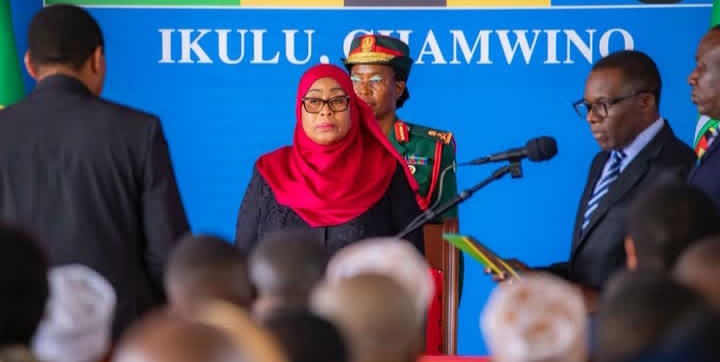
Tanzania is going through a tense political moment as the country slowly moves toward the 2026 general election. The atmosphere remains charged following the disputed October 2025 election, an event that continues to shape national politics and public debate.
President Samia Suluhu Hassan is dealing with this situation while already in her second term, a factor that adds pressure and limits room for political maneuvering.
The 2025 election outcome left deep divisions across the country. Opposition parties rejected the results soon after they were announced, pointing to alleged irregularities and restrictions that they say affected the fairness of the vote. Since then, these claims have not faded. Instead, they have continued to fuel protests, public statements, and legal challenges in different regions.
Political tension has remained visible in major towns and regional centers. Opposition leaders have kept electoral justice and reform at the center of their message, arguing that the system failed voters. Their supporters have echoed these concerns, demanding accountability and changes to how elections are run. This has made national unity harder to maintain.
Security agencies have found themselves under pressure as they respond to demonstrations and public unrest. While the state has tried to keep order, human rights groups have raised concerns about how protests are handled.
Warnings have been issued that the use of excessive force could further damage public trust in state institutions and deepen resentment among citizens.
In response, President Suluhu has pushed for dialogue as a way to reduce tensions. Meetings involving elders, faith leaders, and community figures have been promoted as platforms for calm discussion.
The president has consistently spoken about peace, unity, and national cohesion, presenting dialogue as a path away from confrontation.
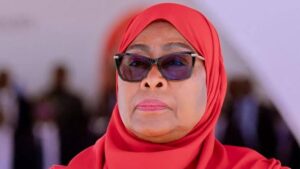
President of Tanzania Samia Suluhu Hassan. Photo Courtesy: BBC.
However, critics remain unconvinced that dialogue alone is enough. They argue that the core problem lies in the electoral system itself and that without legal and institutional reforms, similar disputes will happen again.
According to this view, talks without concrete changes risk becoming symbolic rather than effective.
Inside the ruling CCM party, the situation is also delicate.
Internal competition is becoming more visible. Questions about succession and future leadership are quietly shaping alliances and rivalries, adding another layer of tension to the national political scene.
Economic challenges are making matters worse. Rising living costs, limited employment opportunities for young people, and tight public finances have increased public frustration.
For many citizens, political uncertainty now mixes with daily economic struggles, creating a sense of fatigue and dissatisfaction.
Outside Tanzania, international partners are watching closely. Calls have been made for the government to protect democratic space and respect political freedoms. These messages add external pressure at a time when internal stability is already fragile.
As a second-term president, Samia Suluhu Hassan faces a defining period. With fewer electoral incentives but greater responsibility, her choices in the coming months could leave a lasting mark. Whether stability is achieved will depend on whether dialogue efforts are supported by credible reforms that rebuild public trust and ease the long road to 2026.