
The High Court decision to halt the murder trial of Albert Ojwang has drawn strong public attention and renewed debate about police accountability in Kenya. The court ruled that the case cannot move forward until crucial CCTV footage from the Central Police Station is made available to the defense.
According to the judge, this footage is essential in showing what happened on the night Ojwang died while in police custody. Without it, the court found that the accused officers would not receive a fair trial.
The Independent Policing Oversight Authority has now been ordered to provide the footage before any new hearing dates are set.
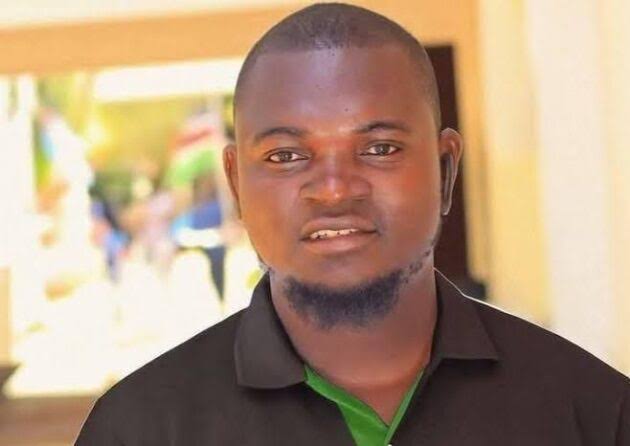
Albert Ojwang was a 31-year-old teacher and blogger from Homa Bay County. He was arrested in June 2025 after publishing online posts that accused Deputy Inspector General Eliud Lagat of corruption. The complaint that led to his arrest was filed by Lagat himself.
Police officers picked Ojwang up from his home and transferred him to the Central Police Station in Nairobi. He died overnight between June 7 and June 8, 2025, while being held in a police cell.
At first, police officers claimed that Ojwang had taken his own life through self-harm. However, this explanation was later withdrawn after further scrutiny.
Investigations by IPOA revealed injuries on Ojwang’s body, including signs of neck compression and bruises. These findings raised serious doubts about the initial police account and suggested that there may have been foul play involved.
The missing CCTV footage has become a central issue in the case. Officials confirmed that some cameras at the Central Police Station were interfered with around the time of Ojwang’s death.
One camera was reportedly unplugged, and a technician was arrested for disabling part of the system. This discovery has deepened concerns about whether evidence was deliberately interfered with. Because CCTV footage is often used to confirm movements and actions within police stations, its absence has left many unanswered questions.
Eliud Lagat’s name has continued to surface in discussions about the case. As a senior police official, he had direct communication with the Officer Commanding Station at Central Police Station, who is among the officers charged.
Lagat allegedly stepped aside from his duties on June 16, 2025, shortly after public anger over Ojwang’s death grew. However, he was later cleared by IPOA and returned to work, a move that many Kenyans found troubling.
Six police officers have been charged in connection with Ojwang’s death, all of them lower-ranking officers. They have pleaded not guilty, and the court denied them bail. Ojwang’s family and human rights activists have questioned why senior officers were not charged, arguing that this creates the impression of selective accountability.
Lagat has denied any involvement in Ojwang’s torture or death, but the family insists that all those connected to the events should be thoroughly questioned.
The trial pause has disappointed many members of the public. IPOA plans to call several witnesses, though the court has asked that the number be reduced to speed up the process.
The next court mention is set for January 27, 2026, to review progress on the missing evidence.