
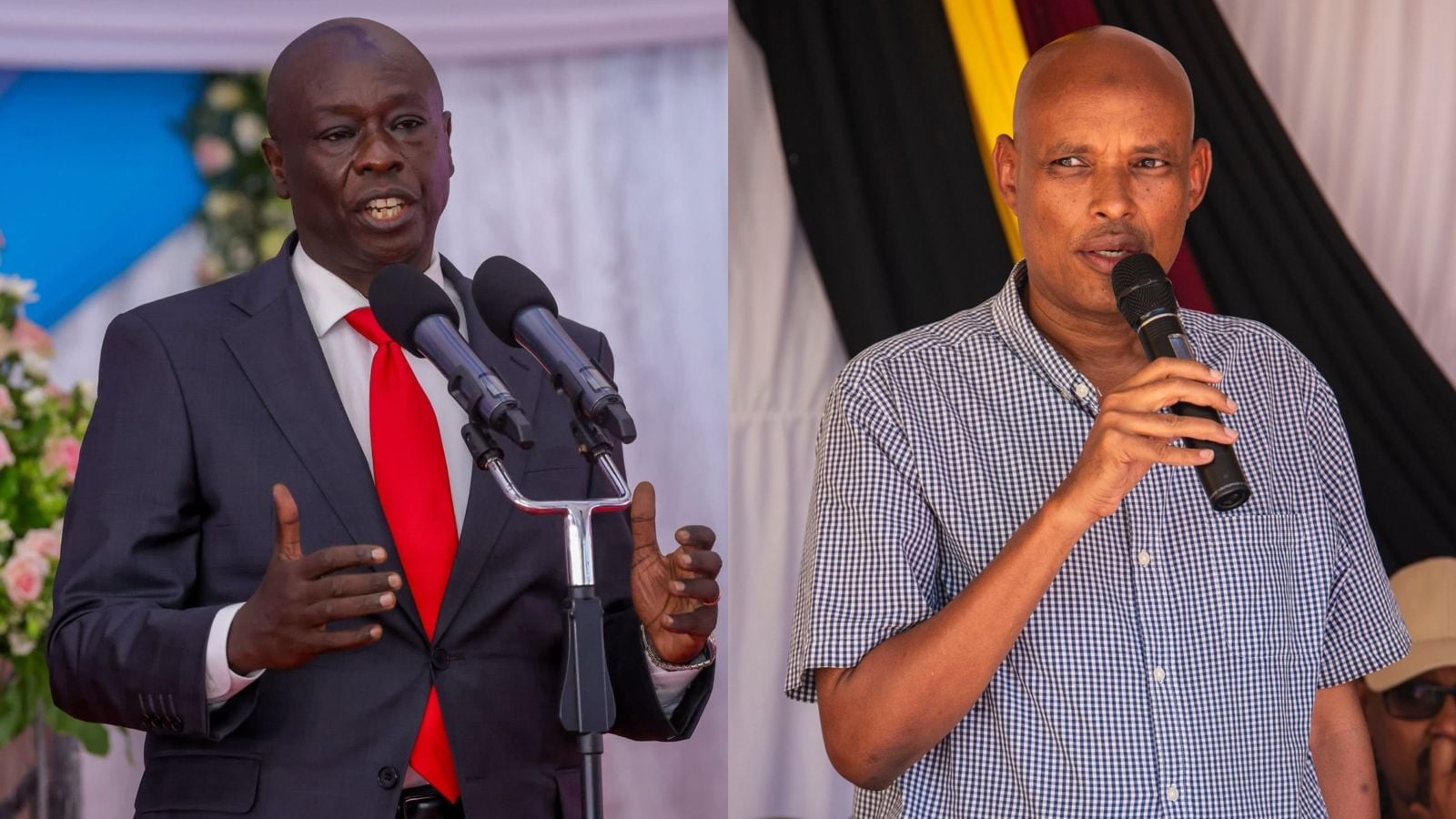
Former Deputy President Rigathi Gachagua has intensified his confrontation with the Directorate of Criminal Investigations (DCI), openly challenging detectives to arrest him following warnings over his remarks on the ongoing fuel scandal.
Speaking during a roadside rally in Gatundu North, Kiambu County, Gachagua dismissed the agency’s warning as intimidation, maintaining that he would not back down from speaking out. He insisted his earlier claims about the scandal were based on information he had received and hinted that more disclosures could follow.
In a strongly worded address, Gachagua accused investigators of targeting him while allegedly ignoring other serious incidents. He challenged the DCI to take action against individuals he claims were behind attacks on him and his supporters in different parts of the country.
He referenced alleged incidents in areas such as Limuru, Mwiki, Kariobangi, and Witima, arguing that those responsible should face prosecution before any action is taken against him.
The Democracy for Citizens Party leader further accused state agencies of attempting to silence him, framing the standoff as a matter of constitutional rights. He maintained that he would continue to speak on issues affecting the public, including corruption and governance concerns.
Gachagua also warned that he is prepared to reveal additional information related to the scandal, signaling that the dispute could escalate further in the coming days.
The Directorate of Criminal Investigations has already pushed back against his claims, describing them as misleading and lacking factual basis. The agency indicated that it is reviewing his statements to determine whether they breach laws related to incitement, hate speech, or national cohesion.
The exchange highlights growing tensions between Gachagua and state institutions at a time when investigations into the fuel importation saga are expanding.
With both sides holding firm positions, the standoff is evolving into a significant political and legal battle, one that could have wider implications as scrutiny over the energy sector continues to intensify.